While conservation efforts have bolstered the populations of many species considered to be threatened in 2025, many animal and plant species continue to dwindle in number, with some even going extinct.Related video above: Tennessee state park works to create a habitat for migrating monarchsAccording to the International Union for Conservation of Nature's Red List of Threatened Species, of the more than 170,000 species it has assessed, 48,646 are threatened with extinction, including "44% of reef building corals, 41% of amphibians, 38% of trees, 38% of sharks and rays, 34% of conifers, 26% of mammals, 26% of freshwater fishes and 11.5% of birds." Of those species, 17,999 are classified as "vulnerable," 19,873 are classified as "endangered" and 10,774 are classified as "critically endangered."Although a variety of species' populations have shown improvement, many have declined, causing them to be officially designated as "endangered" by the IUCN Red List in 2025.See what species have improved, worsened and remain in need of help in 2025 below.Newly endangered animalsIn 2025, animal and plant life continue to be threatened by a number of factors, including hunting, habitat loss or degradation, climate change, forest fires, deforestation, and slash-and-burn and mining practices. The following are some of the species that have been newly classified as “endangered” in 2025 by the IUCN Red List:Hooded sealHooded seals (Cystophora cristata) reside in the North Atlantic and Arctic oceans, according to the National Oceanic and Atmospheric Administration Fisheries. The adult male seals have a stretchy cavity in their noses that they can inflate to look like a red balloon.The population of the hooded seal is currently considered to be decreasing and threatened by biological resource use, pollution and climate change, according to the IUCN Red List.Northern maned slothThe northern maned sloth (Bradypus torquatus) population resides in Brazil and is currently decreasing. According to the IUCN Red List, the species faces a variety of threats, including livestock farming and ranching, hunting, logging and wood harvesting, and residential and commercial development.Mauritius cuckooshrikeThe population of the Mauritius cuckooshrike (Lalage typica) is endemic to Mauritius and is currently in decline. The species is threatened by logging and wood harvesting, pollution, climate change and severe weather, and invasive species/diseases, per the IUCN Red List.Macow’s shrewThe status of the macow's shrew (Crocidura macowi) was formerly labeled as "data deficient" by the IUCN Red List, but was reclassified in 2025 to "endangered."The population is restricted to Kenya, and the IUCN Red List has listed its population trend as "unknown." It's threatened by factors including habitat loss and degradation and fires.Rufous-tailed hawkCurrently, 95% of the population of the rufous-tailed hawk (Buteo ventralis) resides in Chile and is considered to be decreasing by the IUCN Red List.The IUCN lists several threats to the hawk's population, including fires, energy production, hunting, trapping, and logging and wood harvesting.Savigny's fringe-fingered lizardThe Savigny's fringe-fingered lizard (Acanthodactylus savignyi) population is currently considered to be restricted to Algeria.According to the IUCN Red List, the species' numbers are dropping, threatened by factors such as livestock farming and ranching, droughts, biological resource use, and residential and commercial development.Western alligator snapping turtle The western alligator snapping turtle (Macrochelys temminckii) is the largest freshwater turtle in the U.S., according to the U.S. Fish & Wildlife Service.Its population is decreasing, with a large variety of threats, including pollution, residential and commercial development, climate change, and invasive species and diseases, per the IUCN Red List.Branco River freshwater stingray The population of the Branco River freshwater stingray (Potamotrygon adamastor) is endemic to the Amazon River basin in Brazil and is on the decline, according to the IUCN Red List. The threats facing this species of stingray include mining, fishing and pollution, as listed by the IUCN.Socotra karst crab The Socotra karst crab (Socotra pseudocardisoma), residing in Yemen, faces a "high risk of extinction within the sole spatial unit encompassing its indigenous range," according to the IUCN.The crab species faces numerous threats, such as hunting, residential and commercial development, and livestock farming and ranching, per the Red List.Yellow-banded ringletResiding in Austria, Italy and Switzerland, the yellow-banded ringlet (Erebia flavofasciata) faces threats of livestock farming and ranching and habitat shifting and alteration, according to the IUCN Red List.The IUCN lists the butterfly species' population as decreasing and severely fragmented.Recent actions by President Donald Trump's administration have some concerned that conservation efforts could be undermined and recovery efforts delayed for multiple species.The administration is currently seeking to remove habitat modification from the definition of "harm" in the Endangered Species Act, opening the door to eliminating habitat protections for threatened species."This is all part of an effort to open up lands to ensure that there are as few restrictions possible on logging, on drilling, on mining, on development, on extractive uses where human interests and species interests collide," said Jane P. Davenport, a senior attorney for Defenders of Wildlife, according to Sierra, the magazine of the Sierra Club. Other proposed changes include eliminating the U.S. Fish and Wildlife Service's "blanket rule" that automatically protects species when they are classified as "threatened" under the ESA and giving special interest groups the ability to block habitat protections by overriding scientists' recommendations."Animals often go extinct by human choice, and Trump has chosen a deadly path for our nation's most cherished wildlife," said Stephanie Kurose, deputy director of government affairs at the Center for Biological Diversity. "If the president gets his way, the next generation won't ever witness the magic of a fluttering monarch or realize that the wolverine is more than a comic book character."Species officially classified as 'extinct'While several species that are considered "extinct" as of 2025 were reclassified due to nongenuine changes, which include new information being discovered, a taxonomic revision, a change of criteria or an error in the previous assessment, one species has been officially designated as "extinct" due to genuine change.The slender-billed curlew, a migratory bird species, was recently declared to be extinct by the IUCN Red List. While it is not certain what led to its extinction, the IUCN cites "habitat loss" and "hunting" as two main threats. "The devastating loss of the Slender-billed Curlew sends a warning that no birds are immune from the threat of extinction," said Alex Berryman, senior red list officer at BirdLife International and a co-author of a study on the global extinction of the slender-billed curlew."Urgent conservation action is desperately needed to save birds; without it, we must be braced for a much larger extinction wave washing over the continents," he added.The following species have been designated "extinct" in 2025 due to nongenuine change by the IUCN:Christmas Island shrew The Christmas Island shrew (Crocidura trichura) was last seen in 1985 and was endemic to Christmas Island in Australia, according to the IUCN Red List. Listed threats include residential and commercial development and invasive species and diseases.Conus lugubrisThe Conus lugubris, a species of sea snail, was last seen in 1987 and was restricted to the Cape Verde Islands.Per the IUCN Red List, the species faced a variety of threats, including residential and commercial development, fishing and pollution.Brunoniella neocaledonicaBrunoniella neocaledonica, an herb restricted to New Caledonia, was last seen in 1968, according to the IUCN.The species' threats were fire, fire suppression, and invasive species and diseases, per the Red List.Diospyros angulataAccording to the IUCN, Diospyros angulata, an endemic flowering plant of Mauritius, was last seen in 1851. Its threats included invasive species and diseases, climate change, pollution, livestock farming and ranching, and wood harvesting and logging, per the Red List.Eugenia acutissimaEugenia acutissima, a plant species that was endemic to Cuba, was last seen in 1952, according to the IUCN.Its only listed threats on the IUCN Red List are annual and perennial nontimber crops and livestock farming and ranching.Species on the reboundThe following species' statuses have improved in 2025, indicated by downlisting on the IUCN Red List categories scale: Green turtleThe green turtle (Chelonia mydas) has been downlisted by the IUCN Red List from "endangered" to "least concern." The organization has assessed the turtle's population as increasing, in part due to conservation efforts such as the protection of nesting and foraging habitats and turtles on nesting beaches, the reduction of vessel strikes in coastal habitats, and the minimization of disturbances to mating and nesting turtles, according to the NOAA Fisheries and the IUCN.Woylie The woylie (Bettongia penicillata) population has experienced multiple declines and rebounds, but after years of recovery — hinged partly on translocations and the control of introduced predators — the species has been downlisted from "critically endangered" to "near threatened" on the IUCN Red List.However, its numbers are still considered to be declining, in part due to droughts, habitat shifting and alteration, and invasive species and diseases, per the IUCN.Hawaiian monk sealThe population of the Hawaiian monk seal (Neomonachus schauinslandi) was downlisted on the IUCN Red List from "endangered" to "vulnerable" in 2025, and is considered to be increasing in number. The population has experienced a 2% annual growth rate from 2013 to 2022, thanks to conservation efforts that include translocation, the protection of habitat, and the reduction of interactions between humans and seals, according to the IUCN and NOAA.Livingstone's flying foxThe population trend of the Livingstone's flying fox (Pteropus livingstonii) has stabilized, and the species was downlisted in 2025 from "critically endangered" to "endangered," according to the IUCN Red List."We should be clear that this change in status is not a result of conservation work, though this remains important in preventing declines. Instead, the discovery of new roost sites coupled to regular biannual monitoring with our partners has provided a clearer understanding of the size and stability of the population," said Misbahou Mohamed, co-director of Dahari, a nongovernmental organization seeking to restore Comorian ecosystems. Wild camel The wild camel (Camelus ferus) population has been downlisted from "critically endangered" to "endangered," though its numbers are considered to be decreasing, according to the IUCN Red List.According to The Wild Camel Protection Foundation, the wild camel is the eighth most endangered large mammal on Earth. While the decline of its population since it was classified as "critically endangered" was lower than predicted, conservation efforts are still needed to keep the species from going extinct.While 2025 has posed various challenges for wildlife (and indicates that obstacles to preservation efforts will continue in 2026), progress has been made to conserve species and their habitats.The World Wildlife Fund has marked significant milestones this year, including: The protection of 1.3 million acres in one of the last remaining grassland habitats The relative stabilization of Nepal's snow leopard population The reduction of rhino poaching in Kenya The protection and restoration of 2.4 million acres of mangroves The ratification of the first-ever High Seas TreatyWhile there is still much to do in the way of conserving our world’s wildlife, the successes of conservationists this year hopefully indicate more to come in 2026.'Biodiversity is declining'As efforts to improve wildlife populations and management this year have proven successful, several new obstacles to conservation have also begun to take shape, causing the IUCN Red List to note, "biodiversity is declining."Species continue to be threatened with habitat modification and degradation, hunting, and climate change, causing some to live on the edge of extinction, including mountain gorillas, black rhinos, Sunda pangolins, Sumatran tigers and African forest elephants, according to a list compiled by the WWF.Ecosystems are also feeling the brunt of climate change, as warming temperatures threaten habitats and the coral reefs, on which approximately one-third of known marine life relies, and 1 billion people benefit from, according to the Global Coral Reef Monitoring Network.While wins on the conservation front should not be ignored, more work is to be done to protect wildlife habitats and prevent species that currently call the Earth their home from going extinct.The Associated Press contributed to this report.
While conservation efforts have bolstered the populations of many species considered to be threatened in 2025, many animal and plant species continue to dwindle in number, with some even going extinct.
Related video above: Tennessee state park works to create a habitat for migrating monarchs
According to the International Union for Conservation of Nature's Red List of Threatened Species, of the more than 170,000 species it has assessed, 48,646 are threatened with extinction, including "44% of reef building corals, 41% of amphibians, 38% of trees, 38% of sharks and rays, 34% of conifers, 26% of mammals, 26% of freshwater fishes and 11.5% of birds." Of those species, 17,999 are classified as "vulnerable," 19,873 are classified as "endangered" and 10,774 are classified as "critically endangered."
Although a variety of species' populations have shown improvement, many have declined, causing them to be officially designated as "endangered" by the IUCN Red List in 2025.
See what species have improved, worsened and remain in need of help in 2025 below.
Newly endangered animals
In 2025, animal and plant life continue to be threatened by a number of factors, including hunting, habitat loss or degradation, climate change, forest fires, deforestation, and slash-and-burn and mining practices. The following are some of the species that have been newly classified as “endangered” in 2025 by the IUCN Red List:
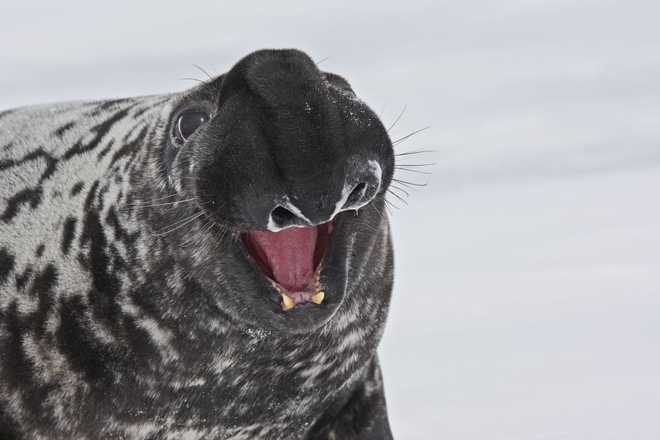
Hooded seal
(Photo by Sylvain CORDIER/Gamma-Rapho via Getty Images)
Hooded seals (Cystophora cristata) reside in the North Atlantic and Arctic oceans, according to the National Oceanic and Atmospheric Administration Fisheries. The adult male seals have a stretchy cavity in their noses that they can inflate to look like a red balloon.
The population of the hooded seal is currently considered to be decreasing and threatened by biological resource use, pollution and climate change, according to the IUCN Red List.
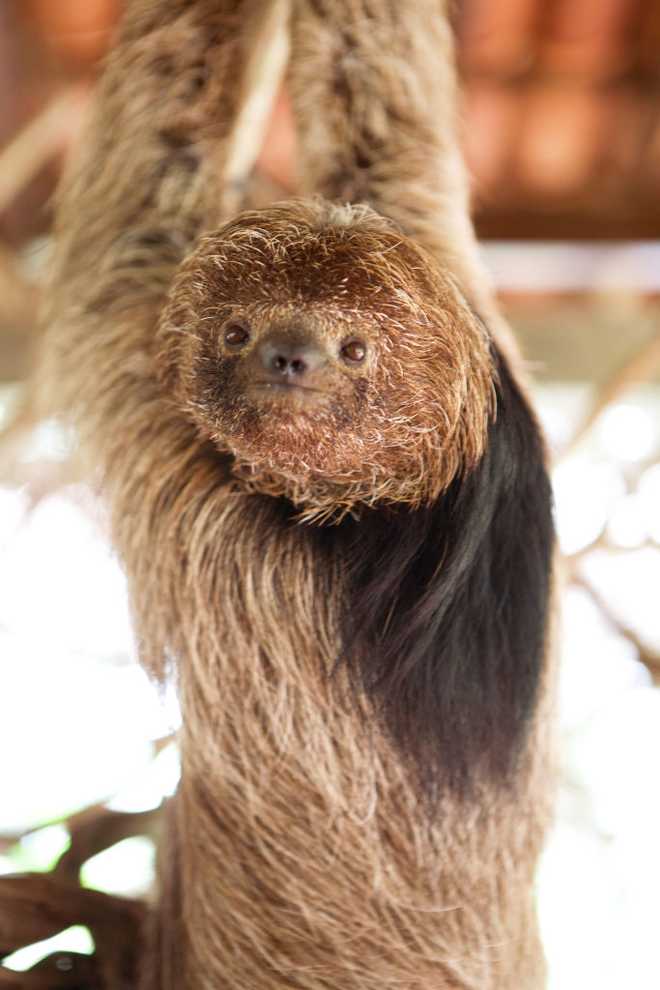
Northern maned sloth
(Photo by: Eduardo Justiniano/AGB Photo Library/Universal Images Group via Getty Images)
The northern maned sloth (Bradypus torquatus) population resides in Brazil and is currently decreasing.
According to the IUCN Red List, the species faces a variety of threats, including livestock farming and ranching, hunting, logging and wood harvesting, and residential and commercial development.
Mauritius cuckooshrike
The population of the Mauritius cuckooshrike (Lalage typica) is endemic to Mauritius and is currently in decline.
The species is threatened by logging and wood harvesting, pollution, climate change and severe weather, and invasive species/diseases, per the IUCN Red List.
Macow’s shrew
The status of the macow's shrew (Crocidura macowi) was formerly labeled as "data deficient" by the IUCN Red List, but was reclassified in 2025 to "endangered."
The population is restricted to Kenya, and the IUCN Red List has listed its population trend as "unknown." It's threatened by factors including habitat loss and degradation and fires.
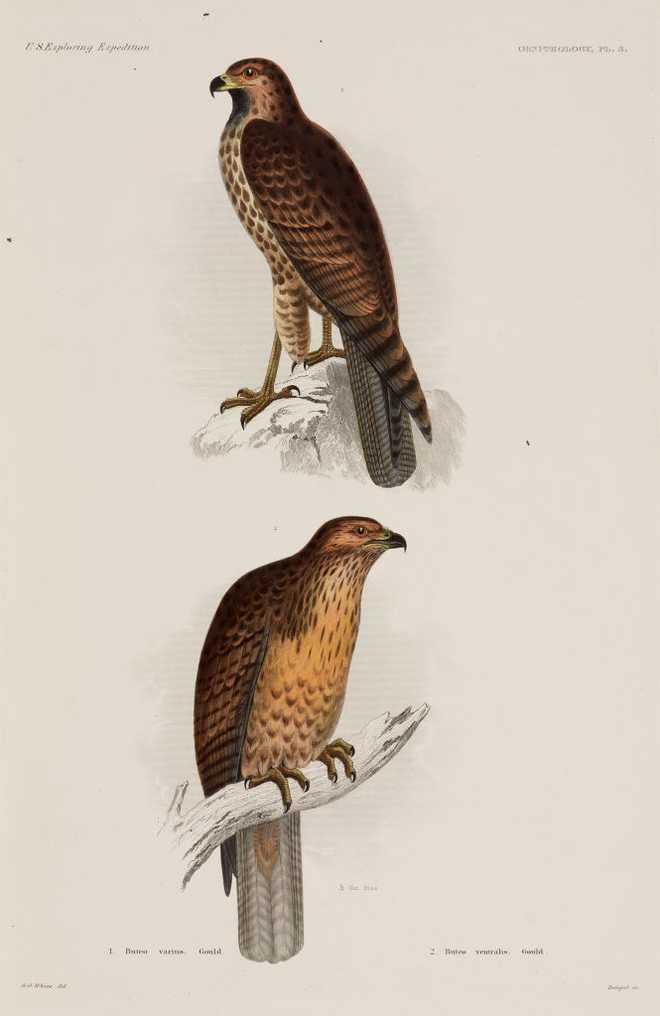
Rufous-tailed hawk
(Photo by Science & Society Picture Library/Getty Images)
Currently, 95% of the population of the rufous-tailed hawk (Buteo ventralis) resides in Chile and is considered to be decreasing by the IUCN Red List.
The IUCN lists several threats to the hawk's population, including fires, energy production, hunting, trapping, and logging and wood harvesting.
Savigny's fringe-fingered lizard
The Savigny's fringe-fingered lizard (Acanthodactylus savignyi) population is currently considered to be restricted to Algeria.
According to the IUCN Red List, the species' numbers are dropping, threatened by factors such as livestock farming and ranching, droughts, biological resource use, and residential and commercial development.
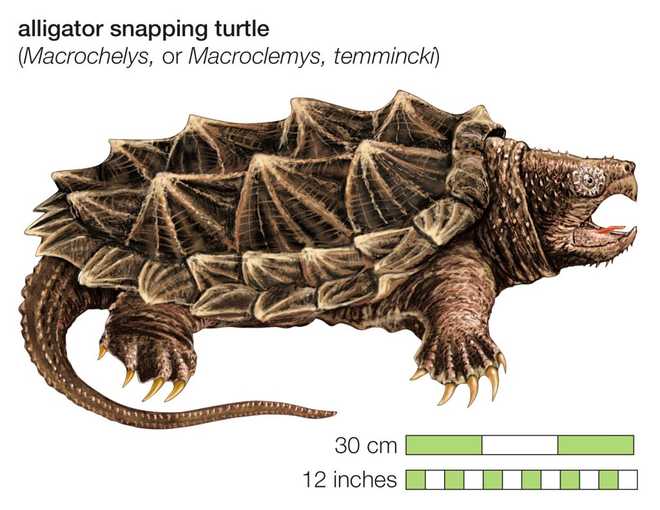
Western alligator snapping turtle
(Photo By Encyclopaedia Britannica/UIG Via Getty Images)
The western alligator snapping turtle (Macrochelys temminckii) is the largest freshwater turtle in the U.S., according to the U.S. Fish & Wildlife Service.
Its population is decreasing, with a large variety of threats, including pollution, residential and commercial development, climate change, and invasive species and diseases, per the IUCN Red List.
Branco River freshwater stingray
The population of the Branco River freshwater stingray (Potamotrygon adamastor) is endemic to the Amazon River basin in Brazil and is on the decline, according to the IUCN Red List.
The threats facing this species of stingray include mining, fishing and pollution, as listed by the IUCN.
Socotra karst crab
The Socotra karst crab (Socotra pseudocardisoma), residing in Yemen, faces a "high risk of extinction within the sole spatial unit encompassing its indigenous range," according to the IUCN.
The crab species faces numerous threats, such as hunting, residential and commercial development, and livestock farming and ranching, per the Red List.
Yellow-banded ringlet
Residing in Austria, Italy and Switzerland, the yellow-banded ringlet (Erebia flavofasciata) faces threats of livestock farming and ranching and habitat shifting and alteration, according to the IUCN Red List.
The IUCN lists the butterfly species' population as decreasing and severely fragmented.
Recent actions by President Donald Trump's administration have some concerned that conservation efforts could be undermined and recovery efforts delayed for multiple species.
The administration is currently seeking to remove habitat modification from the definition of "harm" in the Endangered Species Act, opening the door to eliminating habitat protections for threatened species.
"This is all part of an effort to open up lands to ensure that there are as few restrictions possible on logging, on drilling, on mining, on development, on extractive uses where human interests and species interests collide," said Jane P. Davenport, a senior attorney for Defenders of Wildlife, according to Sierra, the magazine of the Sierra Club.
Other proposed changes include eliminating the U.S. Fish and Wildlife Service's "blanket rule" that automatically protects species when they are classified as "threatened" under the ESA and giving special interest groups the ability to block habitat protections by overriding scientists' recommendations.
"Animals often go extinct by human choice, and Trump has chosen a deadly path for our nation's most cherished wildlife," said Stephanie Kurose, deputy director of government affairs at the Center for Biological Diversity. "If the president gets his way, the next generation won't ever witness the magic of a fluttering monarch or realize that the wolverine is more than a comic book character."
Species officially classified as 'extinct'
While several species that are considered "extinct" as of 2025 were reclassified due to nongenuine changes, which include new information being discovered, a taxonomic revision, a change of criteria or an error in the previous assessment, one species has been officially designated as "extinct" due to genuine change.
The slender-billed curlew, a migratory bird species, was recently declared to be extinct by the IUCN Red List. While it is not certain what led to its extinction, the IUCN cites "habitat loss" and "hunting" as two main threats.
"The devastating loss of the Slender-billed Curlew sends a warning that no birds are immune from the threat of extinction," said Alex Berryman, senior red list officer at BirdLife International and a co-author of a study on the global extinction of the slender-billed curlew.
"Urgent conservation action is desperately needed to save birds; without it, we must be braced for a much larger extinction wave washing over the continents," he added.
The following species have been designated "extinct" in 2025 due to nongenuine change by the IUCN:
Christmas Island shrew
The Christmas Island shrew (Crocidura trichura) was last seen in 1985 and was endemic to Christmas Island in Australia, according to the IUCN Red List. Listed threats include residential and commercial development and invasive species and diseases.
Conus lugubris
The Conus lugubris, a species of sea snail, was last seen in 1987 and was restricted to the Cape Verde Islands.
Per the IUCN Red List, the species faced a variety of threats, including residential and commercial development, fishing and pollution.
Brunoniella neocaledonica
Brunoniella neocaledonica, an herb restricted to New Caledonia, was last seen in 1968, according to the IUCN.
The species' threats were fire, fire suppression, and invasive species and diseases, per the Red List.
Diospyros angulata
According to the IUCN, Diospyros angulata, an endemic flowering plant of Mauritius, was last seen in 1851.
Its threats included invasive species and diseases, climate change, pollution, livestock farming and ranching, and wood harvesting and logging, per the Red List.
Eugenia acutissima
Eugenia acutissima, a plant species that was endemic to Cuba, was last seen in 1952, according to the IUCN.
Its only listed threats on the IUCN Red List are annual and perennial nontimber crops and livestock farming and ranching.
Species on the rebound
The following species' statuses have improved in 2025, indicated by downlisting on the IUCN Red List categories scale:
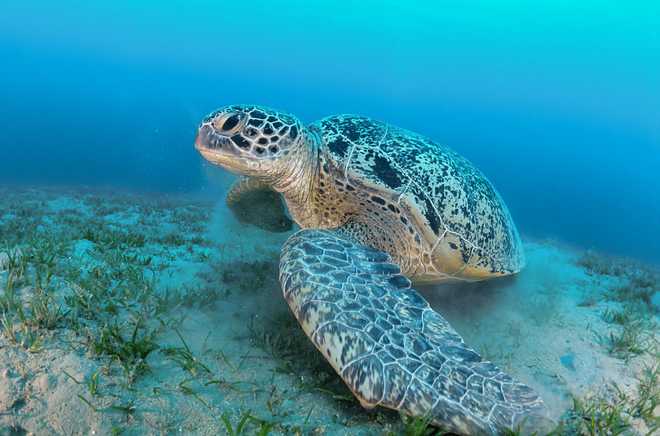
Green turtle
(Photo by Alexis Rosenfeld/Getty Images)
The green turtle (Chelonia mydas) has been downlisted by the IUCN Red List from "endangered" to "least concern." The organization has assessed the turtle's population as increasing, in part due to conservation efforts such as the protection of nesting and foraging habitats and turtles on nesting beaches, the reduction of vessel strikes in coastal habitats, and the minimization of disturbances to mating and nesting turtles, according to the NOAA Fisheries and the IUCN.
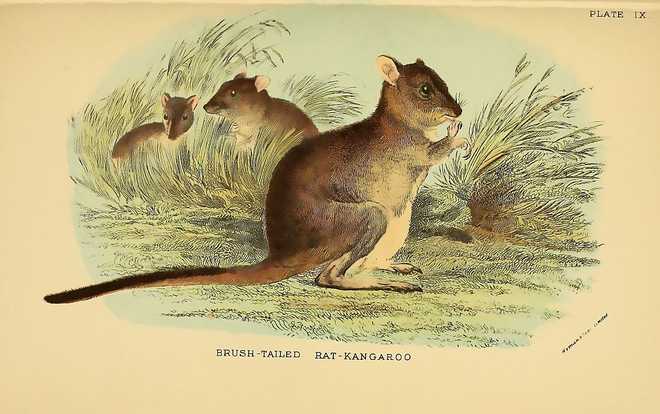
Woylie
(Photo by: Sepia Times/Universal Images Group via Getty Images)
The woylie (Bettongia penicillata) population has experienced multiple declines and rebounds, but after years of recovery — hinged partly on translocations and the control of introduced predators — the species has been downlisted from "critically endangered" to "near threatened" on the IUCN Red List.
However, its numbers are still considered to be declining, in part due to droughts, habitat shifting and alteration, and invasive species and diseases, per the IUCN.
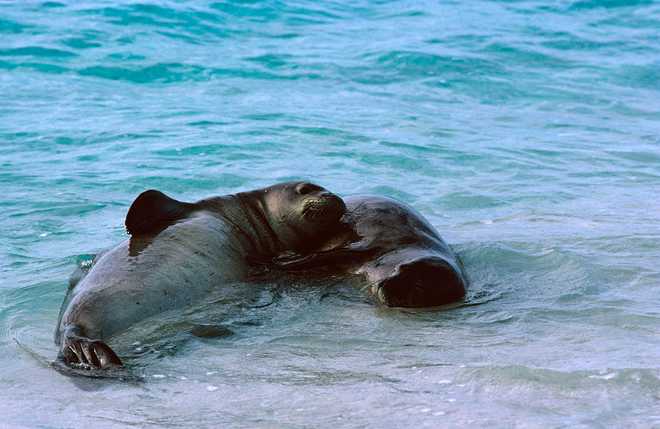
Hawaiian monk seal
(Photo by: Auscape/Universal Images Group via Getty Images)
The population of the Hawaiian monk seal (Neomonachus schauinslandi) was downlisted on the IUCN Red List from "endangered" to "vulnerable" in 2025, and is considered to be increasing in number.
The population has experienced a 2% annual growth rate from 2013 to 2022, thanks to conservation efforts that include translocation, the protection of habitat, and the reduction of interactions between humans and seals, according to the IUCN and NOAA.
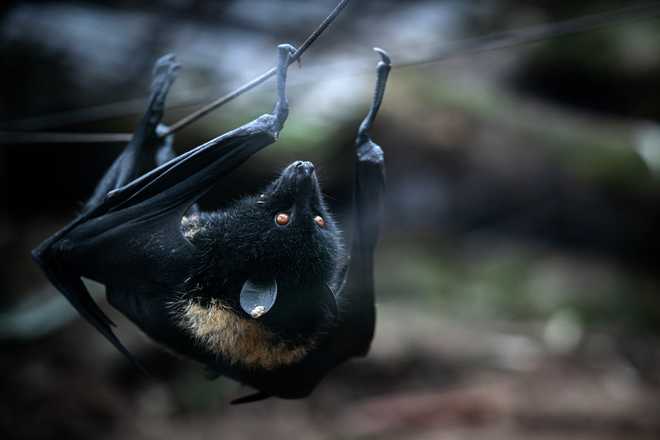
Livingstone's flying fox
(Photo by LOU BENOIST/AFP via Getty Images)
The population trend of the Livingstone's flying fox (Pteropus livingstonii) has stabilized, and the species was downlisted in 2025 from "critically endangered" to "endangered," according to the IUCN Red List.
"We should be clear that this change in status is not a result of [Dahari's] conservation work, though this remains important in preventing declines. Instead, the discovery of new roost sites coupled to regular biannual monitoring with our partners has provided a clearer understanding of the size and stability of the population," said Misbahou Mohamed, co-director of Dahari, a nongovernmental organization seeking to restore Comorian ecosystems.
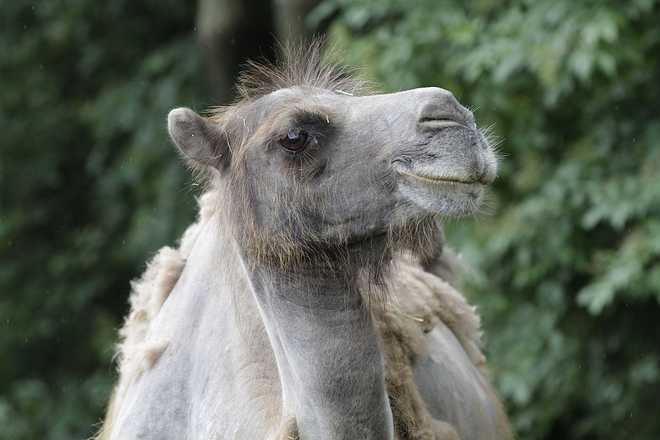
Wild camel
(Photo by Dagmar Scherf/ullstein bild via Getty Images)
The wild camel (Camelus ferus) population has been downlisted from "critically endangered" to "endangered," though its numbers are considered to be decreasing, according to the IUCN Red List.
According to The Wild Camel Protection Foundation, the wild camel is the eighth most endangered large mammal on Earth. While the decline of its population since it was classified as "critically endangered" was lower than predicted, conservation efforts are still needed to keep the species from going extinct.
While 2025 has posed various challenges for wildlife (and indicates that obstacles to preservation efforts will continue in 2026), progress has been made to conserve species and their habitats.
The World Wildlife Fund has marked significant milestones this year, including:
- The protection of 1.3 million acres in one of the last remaining grassland habitats
- The relative stabilization of Nepal's snow leopard population
- The reduction of rhino poaching in Kenya
- The protection and restoration of 2.4 million acres of mangroves
- The ratification of the first-ever High Seas Treaty
While there is still much to do in the way of conserving our world’s wildlife, the successes of conservationists this year hopefully indicate more to come in 2026.
'Biodiversity is declining'
As efforts to improve wildlife populations and management this year have proven successful, several new obstacles to conservation have also begun to take shape, causing the IUCN Red List to note, "biodiversity is declining."
Species continue to be threatened with habitat modification and degradation, hunting, and climate change, causing some to live on the edge of extinction, including mountain gorillas, black rhinos, Sunda pangolins, Sumatran tigers and African forest elephants, according to a list compiled by the WWF.
Ecosystems are also feeling the brunt of climate change, as warming temperatures threaten habitats and the coral reefs, on which approximately one-third of known marine life relies, and 1 billion people benefit from, according to the Global Coral Reef Monitoring Network.
While wins on the conservation front should not be ignored, more work is to be done to protect wildlife habitats and prevent species that currently call the Earth their home from going extinct.
The Associated Press contributed to this report.