Home heating costs are projected to rise more than 9% this winter, or more than 3 times the rate of inflation. The National Energy Assistance Directors Association says on average households are expected to spend roughly $995 on heating, or $84 more than last year. Financial help is available through the low income. Home Energy Assistance Program or LIHEAP after funding for that program was delayed during last year's government shutdown. The group's executive director says there is enough to help 6 million households about, but that will still fall well short of the need. He says roughly 17% of those eligible actually receive energy assistance. I think this winter. Because it's both cold, because the underlying prices. Of home heating fuels are going up faster than inflation. The purchasing power of LIHEAP funds won't be as effective. Now Energy assistance directors are calling on Congress to increase L LIHEAP funding. That is in contrast to President Trump's budget request to lawmakers, which proposed to end this program and to instead support low income individuals through energy dominance, lower prices. And an America first economic platform. The White House did not comment directly on the LIH program when I reached out about this on Friday. Instead, they pointed me to an Energy Department statement saying that the agency is prepared to take emergency action during this winter storm in order to prevent blackouts. Reporting on Washington, I'm Jackie DeFusco.
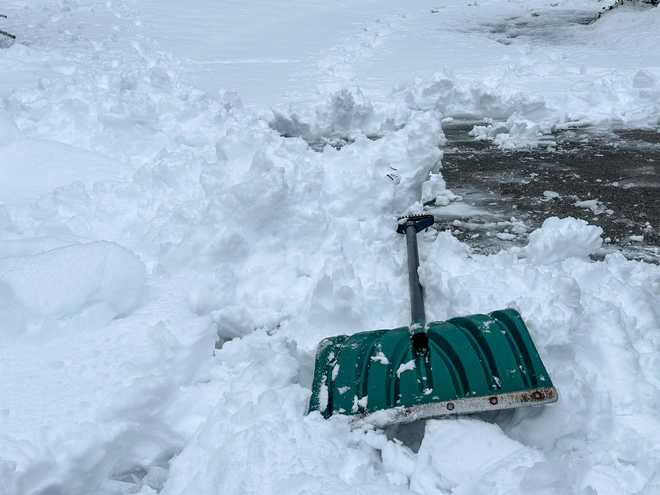
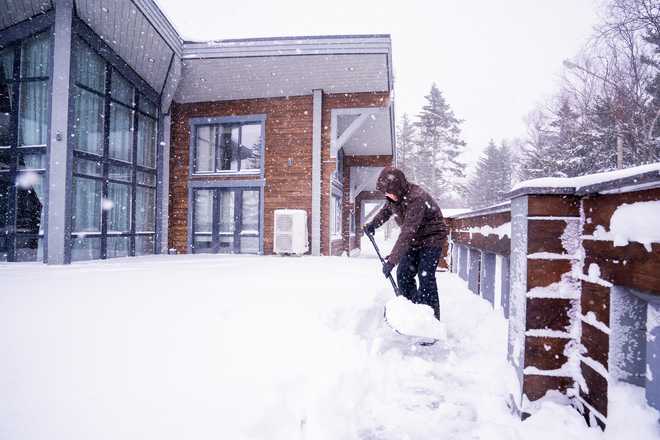
Have to shovel snow this weekend? | Check out these tips and tricks for the best practices
![WGAL logo]()
Updated: 6:18 PM EST Jan 24, 2026
Editorial Standards ⓘ
The National Weather Service has issued a Winter Storm Watch for much of the country ahead of a major snowstorm this weekend. Related video above: Home heating costs rise as US braces for severe winter weather With that in mind, here are some tips and hacks on how to stay injury-free while getting the job done efficiently. Safe shoveling Be heart-conscious: If you have a history of heart problems and are physically inactive, it's best to consult with a medical professional before shoveling. Don't shovel while smoking, eating or consuming caffeine, as this could put extra stress on the heart. Dress appropriately: Wear several layers of clothing outside while shoveling. You can always remove layers if you get too warm. Protect your extremities such as hands, feet and face. Stay hydrated: Staying hydrated is just as important in the winter months as in the summer. Drink plenty of water if you are planning to shovel. Stretch beforehand: It may seem silly, but it's important to stretch your muscles before shoveling heavy snow. You're less likely to experience an injury if you stretch prior.Pace yourself: Don't overexert yourself. Slow and steady wins the race. Protect your back: Bend your knees, not your back. Lift with your legs bent, stand with feet hip-width apart, and keep the shovel close to your body. Do not toss snow over your head, as that could injure your back or shoulders.Have your phone ready: Anything can happen while you're shoveling. If you fall or have a medical emergency, you'll be ready to call for help.Shoveling hacks Shovel while snow is fresh: Freshly fallen snow is lighter than snow that has been plowed, walked on, or driven on. Compacted snow can turn into ice, making it harder to shovel. Push the snow: Use your shovel to push snow out of the way from pathways, driveways and decks to access other areas of your property. Clear highest levels first: Clear off snow on the highest levels first, then work downward. Start with your car and areas of your roof that you can reach. Clear critical areas: House inlets and outlets may get blocked with high snow. This includes dryer vents, wall-mounted exhaust vents, HVAC drip pipes, basement windows and doors.Chop thin ice: Thin ice can often be broken to speed up the melting process. Turn the shovel backward and chop the ice. Add ice melt to clear areas: Once you have cleared an area of snow and ice, spread ice melt to prevent new ice from forming under new snow. Professional advice on shoveling and travelBarry Anderson, the chief of the UPMC Community LifeTeam, shared some tips on snow shoveling and traveling ahead of the weekend storm. "Don't try to shovel everything at one time," Anderson said. "If you have a cardiac problem, take your time, you know, do a little at a time. Take a break. Especially depending on the snow. If it's a light, nice, fluffy snow, that's great. If it's a heavy snow, you got to be extra careful."If this gets bad, we obviously don't want people out on the streets, and we don't really want people traveling around once it gets to a certain point, unless you have to be on the street. Don't go out. Just, just don't go out," he said.
The National Weather Service has issued a Winter Storm Watch for much of the country ahead of a major snowstorm this weekend.
Related video above: Home heating costs rise as US braces for severe winter weather
With that in mind, here are some tips and hacks on how to stay injury-free while getting the job done efficiently.
Safe shoveling
- Be heart-conscious: If you have a history of heart problems and are physically inactive, it's best to consult with a medical professional before shoveling. Don't shovel while smoking, eating or consuming caffeine, as this could put extra stress on the heart.
- Dress appropriately: Wear several layers of clothing outside while shoveling. You can always remove layers if you get too warm. Protect your extremities such as hands, feet and face.
- Stay hydrated: Staying hydrated is just as important in the winter months as in the summer. Drink plenty of water if you are planning to shovel.
- Stretch beforehand: It may seem silly, but it's important to stretch your muscles before shoveling heavy snow. You're less likely to experience an injury if you stretch prior.
- Pace yourself: Don't overexert yourself. Slow and steady wins the race.
- Protect your back: Bend your knees, not your back. Lift with your legs bent, stand with feet hip-width apart, and keep the shovel close to your body. Do not toss snow over your head, as that could injure your back or shoulders.
- Have your phone ready: Anything can happen while you're shoveling. If you fall or have a medical emergency, you'll be ready to call for help.
Shoveling hacks
- Shovel while snow is fresh: Freshly fallen snow is lighter than snow that has been plowed, walked on, or driven on. Compacted snow can turn into ice, making it harder to shovel.
- Push the snow: Use your shovel to push snow out of the way from pathways, driveways and decks to access other areas of your property.
- Clear highest levels first: Clear off snow on the highest levels first, then work downward. Start with your car and areas of your roof that you can reach.
- Clear critical areas: House inlets and outlets may get blocked with high snow. This includes dryer vents, wall-mounted exhaust vents, HVAC drip pipes, basement windows and doors.
- Chop thin ice: Thin ice can often be broken to speed up the melting process. Turn the shovel backward and chop the ice.
- Add ice melt to clear areas: Once you have cleared an area of snow and ice, spread ice melt to prevent new ice from forming under new snow.
Professional advice on shoveling and travel
Barry Anderson, the chief of the UPMC Community LifeTeam, shared some tips on snow shoveling and traveling ahead of the weekend storm.
"Don't try to shovel everything at one time," Anderson said. "If you have a cardiac problem, take your time, you know, do a little at a time. Take a break. Especially depending on the snow. If it's a light, nice, fluffy snow, that's great. If it's a heavy snow, you got to be extra careful.
"If this gets bad, we obviously don't want people out on the streets, and we don't really want people traveling around once it gets to a certain point, unless you have to be on the street. Don't go out. Just, just don't go out," he said.